

5 Common Mistakes When Baking Pre-Cooked Pizza Bases (and How to Avoid Them)
Let’s get something straight. Pre-cooked pizza bases are one of the best things that ever happened to modern food service. They save you time, cut waste, deliver consistent quality.
But if you bake them wrong, it feels like eating cardboard.
And it happens more often than you’d think.
In the years we’ve been supplying Tindoro Prime pre-baked bases across Thailand, we’ve seen the same mistakes pop up again and again — in professional kitchens and home ones. So here they are, no fluff — and how to fix them.
🏠 Cooking at home? Grab retail bases from our online shop with delivery across Thailand.
1. Baking the Base Straight from the Freezer
Mistake number one. The most common.
You take the base out of the freezer and throw it straight in the oven — “it’s pre-baked, what’s the problem?” The result: uneven cooking, soggy bottom, cornicione that never puffs up the way it should.
The fix: Let the base thaw at room temperature for 15-20 minutes before baking. Applies to the classic Neapolitan, applies to the Pinsa Romana, applies to the Pala Romana. No exceptions.
If you’re slammed during service, plan ahead — pull the bases out in advance. It’s not laziness. It’s technique.
2. Going Overboard with Sauce and Cheese
Quick question: ever eaten a pizza where the center was a lake of tomato and mozzarella and the bottom felt wet?
Yeah. That’s a base killed by too much topping.
Pre-baked bases already have a defined structure. They don’t need to absorb kilos of sauce to hold together. Worse — too much surface moisture stops the base from drying out and getting properly crispy during baking.
The fix: Less is more. Especially with high-moisture toppings — fresh cherry tomatoes, buffalo mozzarella, mushrooms. Pat them dry first. Distribute sparingly.
Our artisan pizza bases handle the rest.
3. Wrong Oven Temperature
A 180°C oven is not a pizza oven. Full stop.
Real Italian pizza cooks at 250°C and higher. If you keep the oven low, here’s what happens — the toppings dry out, scorch on the surface, but the bottom never gets properly crispy.
The fix: Crank the oven to max.
- In a professional pizzeria: 300-350°C
- At home: at least 250°C
This applies both to a slice of Pizza in Teglia and to a classic Neapolitan. High heat is non-negotiable.
4. Not Preheating the Oven
I know, it’s obvious. But how many times do you forget when you’re in a rush?
Preheating the oven at least 15-20 minutes before baking is the difference between a decent pizza and one that actually tastes like it came out of a real pizzeria.
Why? Because the base hits an already-blazing surface, and the bottom seals instantly. Result: crispy below, soft above, airy cornicione that puffs up the way it should.
Pro tip: If you’ve got a pizza stone or steel plate, even better. Let it heat through completely. It’s the trick that comes closest to a Neapolitan wood-fired oven — the same technique Chef Gigi, our Neapolitan pizzaiolo, built his career on.
5. Baking on a Tray Instead of a Stone
Last point. And probably the most underrated.
A standard baking tray is convenient, sure. But it doesn’t conduct heat the way a pizza stone or steel plate does. The bottom of the pizza stays less crispy. You miss that characteristic “crunch” of real Italian pizza.
The fix: Stone or steel. Whenever you can. They conduct high, even heat, and give you professional-oven results even at home.
If you absolutely have to use a tray, at least preheat it empty in the oven first — so when you put the base on it, it’s already hot.
Bonus: Pick the Right Base for Your Style
One of the reasons Tindoro Prime has built a following in Thailand is that we don’t make just one base. We make many, because every pizza style has its own rules.
| If you want… | Choose… |
|---|---|
| Classic round pizza, tall cornicione | Neapolitan Base |
| Light, digestible, premium feel | Pinsa Romana |
| Buffets or pizza-by-the-meter | Pala Romana or Pizza in Teglia |
| Thin, crispy Roman style | Roman Base |
| Gourmet burgers | Neapolitan Bun or Burger Bun |
| Italian sandwiches | Ciabatta or Focaccia |
Need help deciding? Read our Neapolitan vs Pinsa vs Teglia comparison — it’s the easiest way to pick.
Who’s Already Working Like This in Thailand
Restaurants and hotels using our bases already know these five points by heart. Not because they’re geniuses — because we walked them through it during onboarding, and our technical team keeps supporting them when needed.
You’ll find Tindoro Prime in:
- Pizzerias in Bangkok (Sukhumvit, Thonglor)
- Hotels in Phuket and Koh Samui
- Resorts in Krabi and Hua Hin
- Bistros in Chiang Mai, Pattaya
They all went through the same curve — a few weeks of testing, some adjustments, then consistent professional results.
That’s the value of our B2B wholesale program — we don’t sell you a bag of bases and disappear. We stay in touch.
Why Pre-Baked Bases Are Worth It
If you apply these techniques properly, you immediately understand why a pre-baked base is a kitchen game-changer.
You save prep time. You cut required staff (no need for a dedicated pizzaiolo 24/7). You keep quality consistent. And your customers notice — which is why we wrote a dedicated piece on how pre-baked bases save time and reduce waste.
Running a pan pizza operation? Check out our deep-dive on building a teglia pizza and focaccia business with our bases.
Want to compare costs? Read our analysis of homemade vs pre-cooked dough — the numbers usually surprise people.
Conclusion
With these five adjustments, you get the most out of a Tindoro Prime pre-baked base and serve pizza that competes with any pizzeria in Thailand.
No magic needed. Just a bit of technique and the right product.
Let’s Talk
Want to test the bases before committing? Want a custom quote?
👉 Restaurants, hotels, wholesale → Try our Combo Test Box and request the B2B catalog with free samples.
👉 Cooking at home or running a small business? → Order from our online shop, delivery across Thailand.
Tindoro Prime — the pizza you expect, no surprises.
- Display 40 Products per page
-
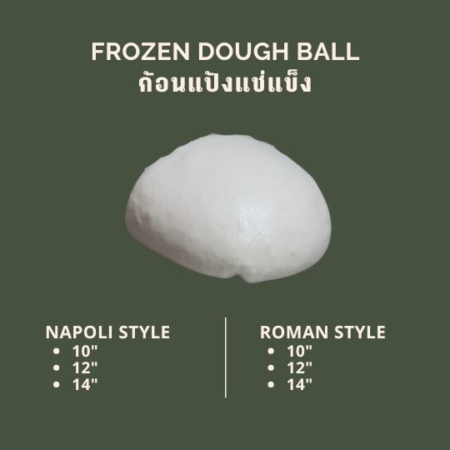 Select options This product has multiple variants. The options may be chosen on the product page
DOUGH BALLS
Price range: ฿580.00 through ฿8,250.00 + vat -
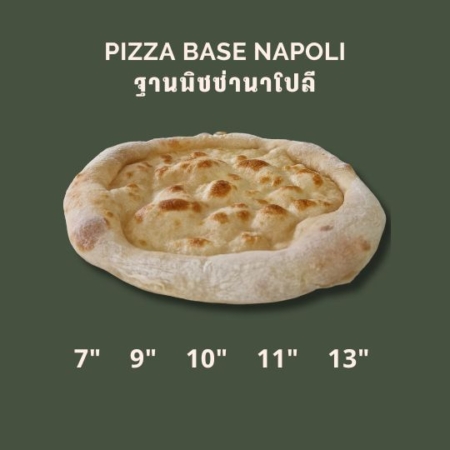 Select options This product has multiple variants. The options may be chosen on the product page
Pizza Base Napoli
Price range: ฿800.00 through ฿4,000.00 + vat -
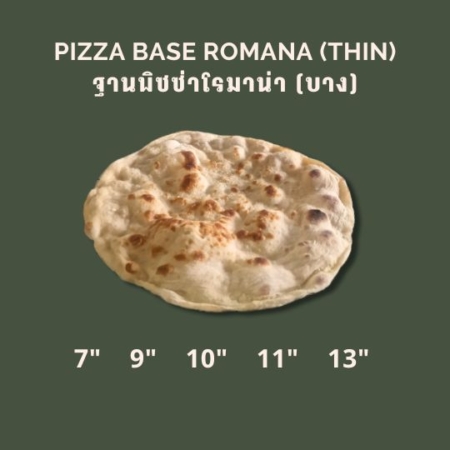 Select options This product has multiple variants. The options may be chosen on the product page
Pizza base Romana
Price range: ฿700.00 through ฿3,500.00 + vat -
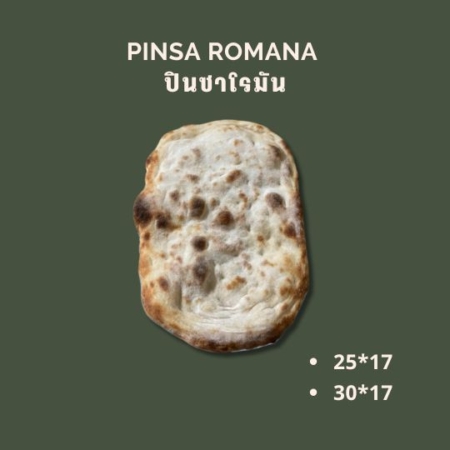 Select options This product has multiple variants. The options may be chosen on the product page
Pinsa Romana
Price range: ฿1,200.00 through ฿3,500.00 + vat -
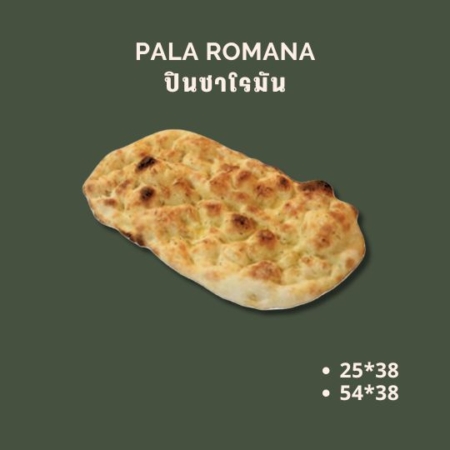 Select options This product has multiple variants. The options may be chosen on the product page
Pala Romana
฿2,500.00 + vat -
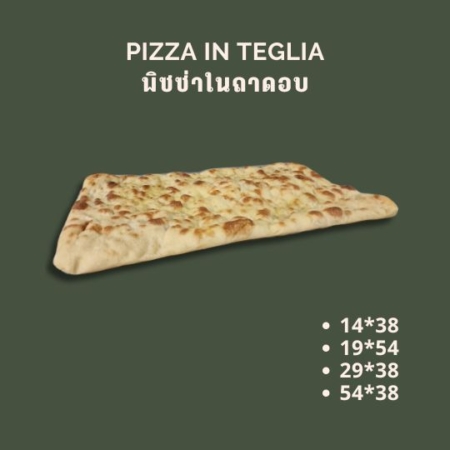 Select options This product has multiple variants. The options may be chosen on the product page
Pizza in Teglia
Price range: ฿1,500.00 through ฿3,900.00 + vat -
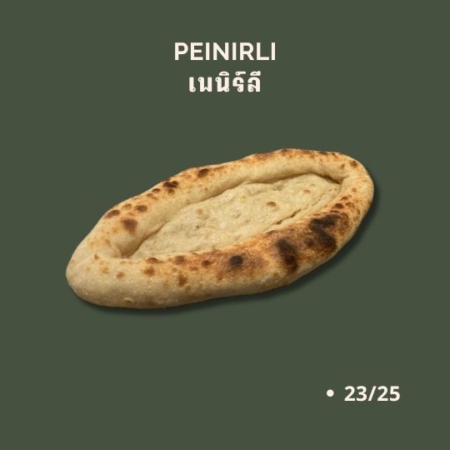 Select options This product has multiple variants. The options may be chosen on the product page
Peinirli
Price range: ฿1,000.00 through ฿2,500.00 + vat -
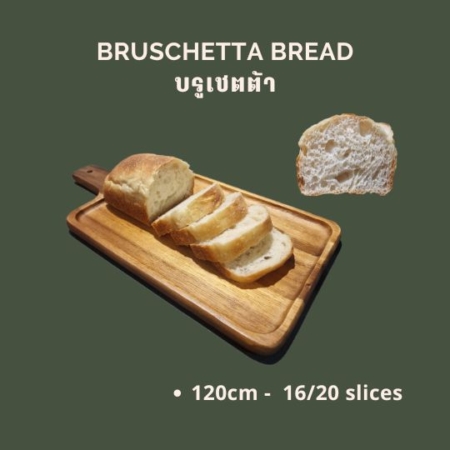 Select options This product has multiple variants. The options may be chosen on the product page
Bruschetta
Price range: ฿1,725.00 through ฿3,335.00 + vat -
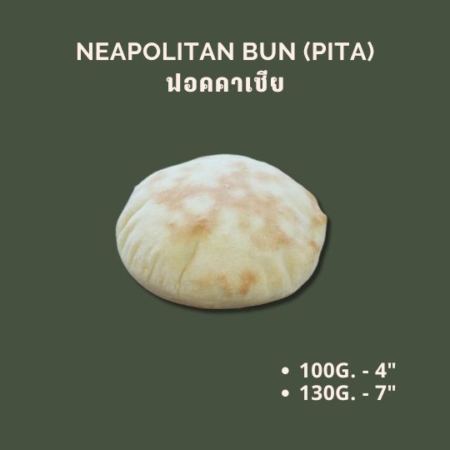 Select options This product has multiple variants. The options may be chosen on the product page
Neapolitan Bun
Price range: ฿600.00 through ฿1,250.00 + vat -
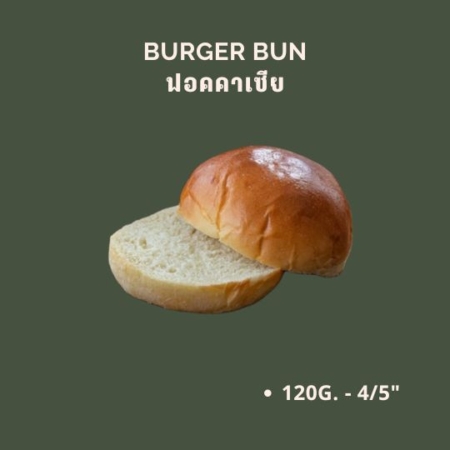 Select options This product has multiple variants. The options may be chosen on the product page
Burger Bun
Price range: ฿750.00 through ฿1,250.00 + vat -
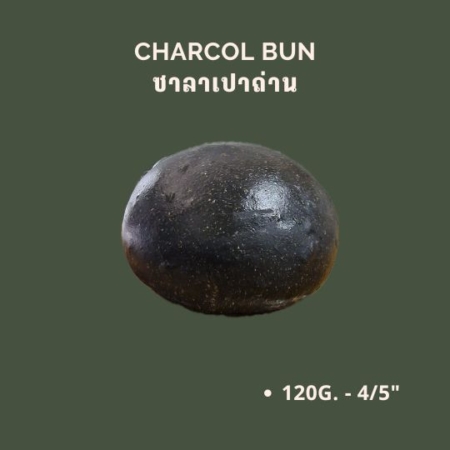 Select options This product has multiple variants. The options may be chosen on the product page
Black Burger Bun
Price range: ฿900.00 through ฿1,500.00 + vat -
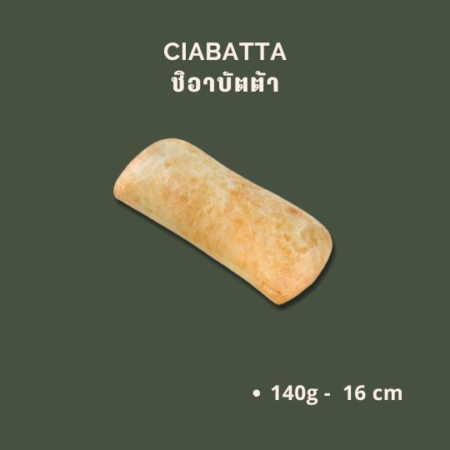 Select options This product has multiple variants. The options may be chosen on the product page
Ciabatta
Price range: ฿500.00 through ฿1,250.00 + vat -
 Select options This product has multiple variants. The options may be chosen on the product page
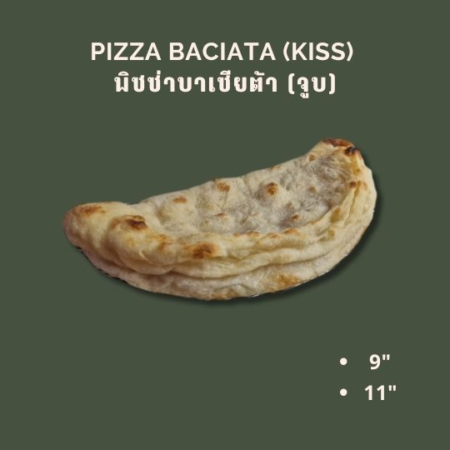
Pizza Baciata
Price range: ฿1,000.00 through ฿3,000.00 + vat -
 Select options This product has multiple variants. The options may be chosen on the product page
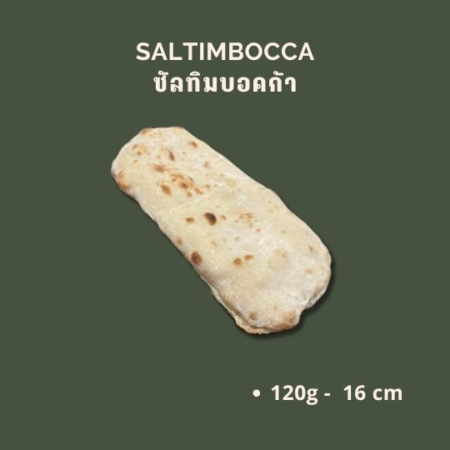
Saltimbocca
Price range: ฿500.00 through ฿1,250.00 + vat -
 Select options This product has multiple variants. The options may be chosen on the product page
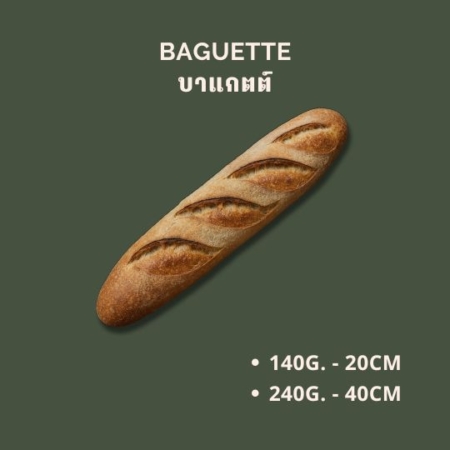
Baguette
Price range: ฿700.00 through ฿2,400.00 + vat -
 Select options This product has multiple variants. The options may be chosen on the product page
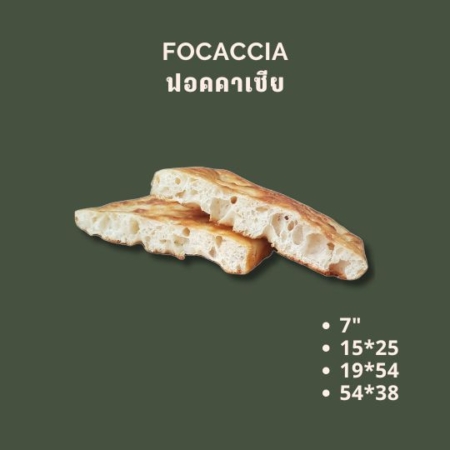
Focaccia
Price range: ฿1,600.00 through ฿5,600.00 + vat -
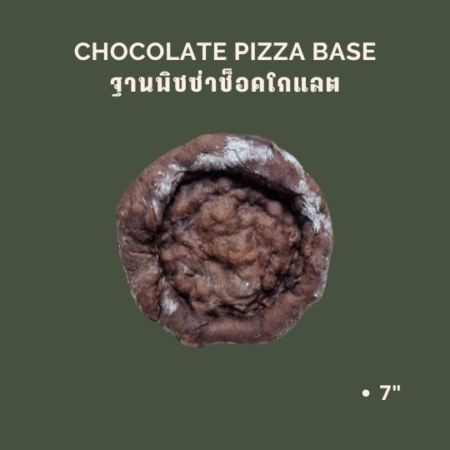 Select options This product has multiple variants. The options may be chosen on the product page
Pizza Base Chocolate
Price range: ฿1,500.00 through ฿7,500.00 + vat


FIND OUT -TEST BOXES


